

Introduction to Visiting Disneyland Paris with SEN Needs
Disneyland Paris is a place of magic, excitement, and unforgettable moments, but for families and individuals with Special Educational Needs (SEN), it can also feel overwhelming without the right preparation. Sensory differences, changes in routine, and busy environments can present unique challenges, yet with the right approach, Disneyland Paris can be an incredibly positive and rewarding experience.
This guide is designed to help you plan a trip that meets your needs, reduces stress, and maximizes enjoyment. Whether you’re supporting someone with autism, ADHD, learning differences, or a combination of needs, you’ll find practical advice, step-by-step planning tips, and insider knowledge on how to make the most of the magic.
We’ll explore everything from preparing for travel, understanding the accessibility systems, and creating calm spaces, to making informed choices about rides, dining, and showtimes. By breaking your trip into manageable steps, you can create a sense of predictability, comfort, and excitement that works for your family.
You might read through this booklet and think, ‘some of this feels like common sense.’ As a dad of children with SEN, I thought the same until it came time to plan, and my mind went completely blank. I realised how easy it is to forget even the simplest things in the excitement and stress of organising a Disney trip. That’s why this guide exists: to give you a calm, structured reminder of everything that can make your visit smoother, less stressful, and more magical.
Why Disney Can Be Both Magical and Overwhelming for Children with SEN
For many families, a trip to Disneyland Paris is the ultimate dream, a place where imagination comes to life, characters step off the screen, and every corner holds something new to discover. For children with Special Educational Needs (SEN), this can be a uniquely rewarding experience, offering moments of joy, wonder, and inclusion. However, the same elements that make Disney magical can also present significant challenges. Understanding both sides can help families prepare and make the most of their visit.

The Magical Side
Disneyland Paris has made strides in creating an inclusive environment for guests with additional needs. With careful planning and the right strategies, SEN visitors can enjoy many benefits:
- Immersive Environments – From the moment you enter, every detail is designed to spark the imagination, from themed music to architecture. For some children, this level of immersion can be deeply engaging and comforting.
- Character Interactions – Meeting beloved Disney characters can be a source of immense joy. For children who connect strongly with certain stories or films, this can be a treasured memory.
- Sensory-Friendly Experiences – While the park can be busy, certain rides, shows, and areas offer calmer, slower-paced experiences. Parades can be viewed from quieter vantage points, and some attractions have dimmer lighting or softer music.
- Accessibility Support – Disneyland Paris offers priority passes, easy-access entrances, and accessible facilities. Cast Members are often patient and accommodating, particularly when needs are explained clearly.
- Routine with Structure – For children who thrive on predictability, Disney’s published schedules for shows, parades, and meet-and-greets can help maintain structure throughout the day.
The Overwhelming Side
The same elements that make the park magical can also create sensory, emotional, or logistical hurdles:
- Crowds and Noise – High visitor numbers, music, PA announcements, and ride sound effects can be overstimulating. Busy periods (school holidays, weekends, midday hours) can feel chaotic.
- Unpredictable Changes – Ride closures, weather disruptions, and last-minute schedule changes can cause frustration, particularly for children who find change difficult to process.
- Sensory Overload – Bright lights, strong smells from food stalls, sudden noises, and visual complexity can overwhelm sensory-sensitive guests.
- Queueing and Waiting – Even with priority passes, there may still be waiting periods, which can be challenging for children who struggle with patience or standing still.
- Travel Fatigue – The journey to and from the park, especially if combined with a long day of activities, can lead to tiredness, irritability, and reduced coping skills.
| Pros | Cons |
|---|---|
| Immersive themed environments that capture attention | Sensory overload from noise, lights, and crowds |
| Special assistance passes for reduced queue times | Unpredictable ride closures and schedule changes |
| Character interactions create memorable moments | Long travel days can lead to fatigue and meltdowns |
| Accessible facilities and accommodating staff | Waiting times still possible, even with assistance |
| Structured schedules for shows and events | Limited quiet areas during peak times |
Breaking Up the Day
To maximise enjoyment and minimise stress, consider structuring your visit around periods of high and low stimulation:
- Morning Entry – Arrive early when crowds are smaller, temperatures are cooler, and energy levels are high.
- Midday Rest – Plan a retreat to your hotel, a quiet restaurant, or a calm spot in the park. This downtime can reset energy levels.
- Afternoon/Evening Return – Return for shows, parades, or a few favourite rides after the midday rush.
- Plan Buffer Time – Allow extra time between activities to manage transitions without rushing.
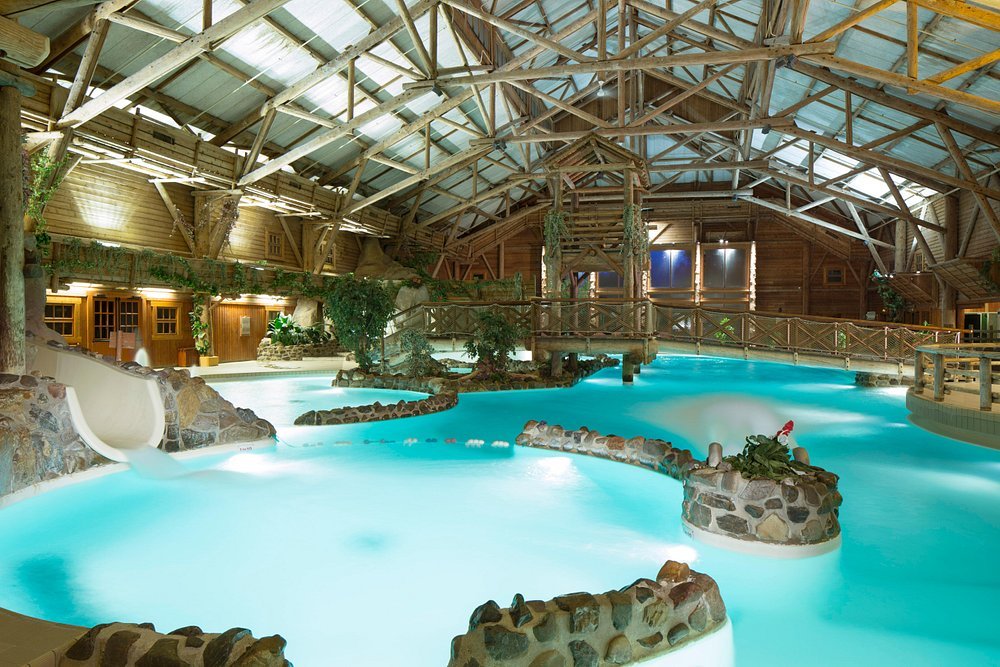
- Alternative Break Options – Many Disney hotels, including Sequoia Lodge, Newport Bay, Disneyland Hotel, and Hotel New York – The Art of Marvel, have swimming pools that onsite guests can use for respite breaks or sensory sessions (especially helpful for children who regulate through water). Disney’s Davy Crockett Ranch also offers a pool. You may even consider planning a full “rest day” away from the parks to recharge and regulate before returning refreshed.
Comfort Items
Bringing familiar and comforting items can help a child regulate emotions and sensory responses:
- Noise-Cancelling Headphones – Useful for loud rides, parades, and fireworks.
- Favourite Snacks – Familiar food can be grounding, especially if there are dietary restrictions.
- Small Comfort Toy or Fidget – Provides a tactile distraction during queues or crowded areas.
- Lightweight Blanket or Hoodie – Offers warmth and a sense of security.
- Visual Schedule Cards – Help communicate the plan for the day and reduce anxiety.
Things to Consider Before Booking
- Timing Your Visit – Avoid school holidays if possible to reduce crowd levels.
- Accommodation Proximity – Staying close to or within the resort allows for easier rest breaks.
- Pre-Trip Familiarisation – Show your child videos of the park, rides, and hotel to prepare for the sights and sounds.
- Backup Plans – Have alternatives ready in case a planned ride or activity is unavailable.
- Support Network – If travelling with more than one adult, agree on a plan for who manages certain situations, such as meltdowns or sensory breaks.
Benefits of Pre-Planning to Reduce Stress
A trip to Disneyland Paris can be magical, but without preparation, it can also become overwhelming, particularly for children with Special Educational Needs (SEN). Pre-planning helps manage expectations, reduce uncertainty, and create a smoother, more enjoyable experience for the whole family.
- Reduces Anxiety and Sensory Overload – Knowing what to expect at each stage of the trip can dramatically reduce stress. Preparing your SEN child in advance helps them anticipate the sights, sounds, and routines of the park.
- Visual Supports – Show videos or photos of rides, hotels, parades, and restaurants. This can help children familiarise themselves with the environment.
- Visual Queue Supports – Disneyland Paris offers a helpful visual “image bank” (aka visual cue boards or choice boards) designed for guests with neurodiverse needs. These can be used to create visual timetables or choice boards to support communication and routine stability. – https://download.disneylandparis.com/2023-disney-magic-all-banque-images-uk.pdf
- Social Stories – Create a simple guide or story describing what will happen during the day, including queues, breaks, and interactions with characters.
- Predictable Routine – Even small routines, such as morning hotel breakfasts or planned rest breaks, can create a sense of security.
Saves Time and Energy
Pre-planning reduces decision-making stress during the trip. You can prioritize rides and shows, select accessible routes, and pre-book dining or assistance passes. This allows your family to focus on enjoyment rather than logistics.
- Priority Access Passes – Arrange Disability or Easy Access Cards ahead of arrival to avoid unnecessary waiting.
- Restaurant Bookings – Reserve accessible dining spots that accommodate dietary needs or sensory sensitivities.
- Route Planning – Map out park entrances, rest areas, and quiet zones to minimise unexpected stress.
Improves Safety and Accessibility
Pre-planning ensures that you account for physical or sensory needs, reducing risk in a crowded environment.
- Accommodation Choice
Selecting the right hotel is more than just booking a room. Families should consider accessibility, proximity to the parks, noise levels, and transport options.
- Accessible Rooms and Bathrooms – Ensure your hotel offers wheelchair-accessible rooms, roll-in showers, or adapted facilities if needed. Request these specifically at the time of booking.
- Distance from the Park – Hotels within the resort are often walkable to the parks, but if your child is sensitive to crowds or noise, consider whether you want to walk or rely on the shuttle.
- Shuttle Services – While convenient, shuttles can become crowded during peak times. If your child is sensitive to noise, it may be preferable to walk, take a quieter route, or plan travel outside peak shuttle periods.
- Noise Considerations – Ask to be placed in a quieter area of the hotel, away from lifts, early-morning deliveries, or entertainment spaces. Most Cast Members and booking teams are willing to accommodate reasonable requests where available.
- Transportation Preparation
Plan your journey with your child’s comfort and sensory needs in mind.
- Quiet Routes – Identify the least crowded routes, whether you’re walking, driving, or taking public transport.
- Familiar Travel Methods – Using modes of transport that your child is comfortable with can reduce anxiety. For example, a long car journey may be preferable to a crowded shuttle or train changeover.
- Transfers and Timing – If using shuttles, taxis, or trains, pre-plan departure times to avoid peak hours, reducing exposure to noise and crowds.
- Medical and Sensory Supplies
Packing the right equipment ensures your child’s needs are met throughout the trip.
- Medication – Include all prescribed medication, ideally in carry-on or day bags for easy access.
- Sensory Supports – Ear defenders, weighted blankets, fidget toys, or comfort objects should be easily accessible.
- Backup Items – Pack spares of essential items in case of loss or damage, especially during long days in the park.
- Enhances Enjoyment
When children and families know what to expect, they can fully engage in the magic of Disneyland Paris.
- Focused Experiences – Instead of worrying about logistics, families can focus on favourite rides, character interactions, and shows, use the Disneyland Paris app to monitor wait times, guests with valid evidence can apply for a Priority or easy access pass 1 month before their visit which allows the guest to utilise dedicated queues separate to the main queues that will reduce wait time, please note however during peak times and dates some queueing may still be required and as such it may be worth making a backup plan such as distractions and games that you can do while queueing.
- Reduced Meltdowns – While we all know a meltdown is never something that can be stopped or pre-empted, it may be worth having a plan in place for when the inevitable happens, make note of quiet places in the park, distraction points such as character interactions, dining options, or sensory packs that may help diffuse outbursts. While we would all love to be able to stick to a structured routine at Disneyland Paris, it’s not always something that can be done with ride breakdowns, character change-outs, and crowd numbers.
- Positive Memories – Planning allows families to maximise experiences that are most meaningful, creating lasting happy memories.
- Supports Flexible Adaptation
Even the most carefully planned Disneyland Paris visit can be disrupted by unexpected events. Ride closures, sudden weather changes, or unexpected crowds are all common occurrences in a busy theme park. Pre-planning equips families with the tools and strategies to adapt calmly, reducing stress and keeping the day enjoyable for children with SEN.
Alternative Rides and Activities
Having a backup list of attractions is essential. This includes quieter rides, shows, or interactive experiences that are less likely to be affected by crowding. Families can:
- Prepare a ranked list of preferred attractions in case the first choice is unavailable
- Include both indoor and outdoor options to accommodate sudden weather changes
- Identify attractions that are sensory-friendly or familiar to the child
Quiet Spaces and Rest Areas
Knowing where to retreat when overstimulation occurs is vital:
- Map out calm zones within the park, such as shaded seating areas, gardens, or designated quiet corners
- Some attractions may offer accessible waiting areas away from the main queues
- Encourage short, frequent breaks to prevent fatigue or frustration
Plan B Itinerary
Having a flexible schedule allows families to adapt without stress:
- Build buffer time between planned activities to accommodate delays or detours
- Be ready to swap busy rides for calmer experiences if a child becomes overwhelmed
- Include small “win” activities, like character photos or themed snacks, as guaranteed successes to boost morale
Extra Tip: Visual schedules or a simple checklist can help children understand that changes are part of the plan, reducing anxiety and supporting independence.
By preparing for the unexpected, families can maintain a sense of control and calm, ensuring that the visit remains magical even when things do not go exactly as planned
Example Pre-Planning Checklist
| Task | Benefit |
|---|---|
| Watch park videos before the trip | Reduces anxiety, familiarises the child with rides and attractions |
| Pre-book Disability or Easy Access Pass | Minimises queuing, ensures smoother ride access |
| Reserve accessible dining | Avoids stress over limited seating or dietary challenges |
| Pack sensory kit | Provides comfort and regulation tools throughout the day |
| Map quiet areas | Ensures quick access to rest zones when overwhelmed |
Pre-planning transforms a potentially stressful visit into a manageable, enjoyable adventure. By anticipating challenges, providing clear routines, and preparing sensory and comfort supports, families can focus on creating magical experiences rather than managing emergencies.
Overview of Available Accessibility and SEN Resources at Disneyland Paris
Disneyland Paris is committed to providing an inclusive and supportive experience for guests with accessibility needs or special educational requirements. Understanding the range of resources available allows families to plan effectively, reduce stress, and fully enjoy their visit.
Priority and Easy Access Cards
These cards are essential tools for managing queues and ride access:
- Disability Access Card (DAC) – Available for guests with documented disabilities or medical conditions. The card allows access to designated entrances, reducing waiting time in standard queues. More information on the DAC can be found here – Priority Card
- Easy Access Card – Designed for visitors with temporary conditions or non-visible needs that still require assistance. More information on the EAC can be found here – Easy Access Pass
- Pre-Application Recommended – Where possible, submit documentation and applications online ahead of arrival. This speeds up entry, avoids paperwork at the park, and ensures the correct support is in place from day one.
Guest Assistance and Cast Members
Disney Cast Members are trained to support guests with accessibility needs:
- On-the-Spot Assistance – Cast Members can provide guidance, escort guests, and explain ride requirements.
- Communication Support – Some staff are trained in basic sign language or can assist with visual aids for those with communication challenges.
- Sensitivity to Needs – Staff are aware that sensory overload can occur and can help families find quieter areas or adapt experiences where possible.
SEN-Friendly Facilities
Disneyland Paris offers a range of facilities specifically designed to support children with Special Educational Needs (SEN) and their families, helping to reduce stress and create a calmer, more manageable experience in the parks.
- Quiet Zones and Decompression Areas – Designated areas throughout the parks allow children to take a break from crowds, noise, or visual overstimulation. These spaces provide seating, shade, and a calm environment for emotional regulation.
- Ride Adaptations for Sensory Needs – Many attractions offer guidance on sensory triggers such as loud sounds, flashing lights, or unexpected motion. Staff can advise on which rides may be suitable and help children access quieter or alternative entrances if necessary.
- Accessible Restrooms for SEN Visitors – In addition to standard accessible toilets, some locations include Changing Places or facilities designed for children who may need extra space, privacy, or equipment for comfort and care.
- Structured Pathways and Signage – Wide, well-marked routes and visual cues help children navigate the parks safely and independently, reducing anxiety caused by crowded or confusing areas.
- Support from Cast Members – Staff are trained to recognise sensory overload and can assist in directing families to quiet areas, adjusting experiences where possible, or offering reassurance during overstimulating moments.
Dining and Dietary Support for SEN Visitors
Meal times can be a source of stress for children with Special Educational Needs, especially when routines, familiar foods, or sensory sensitivities are disrupted. Disneyland Paris offers a variety of supports to help families plan meals and reduce anxiety.
Allergen-Free and Familiar Food Options
Many children with SEN have dietary restrictions or strong preferences for familiar foods. Disneyland Paris provides menus catering to common allergens such as gluten, nuts, and dairy. Families can request modifications or substitutions in advance to ensure children have meals they can eat safely and comfortably. Offering familiar foods can also reduce meltdowns or refusal to eat, which can be common in unfamiliar, overstimulating environments.
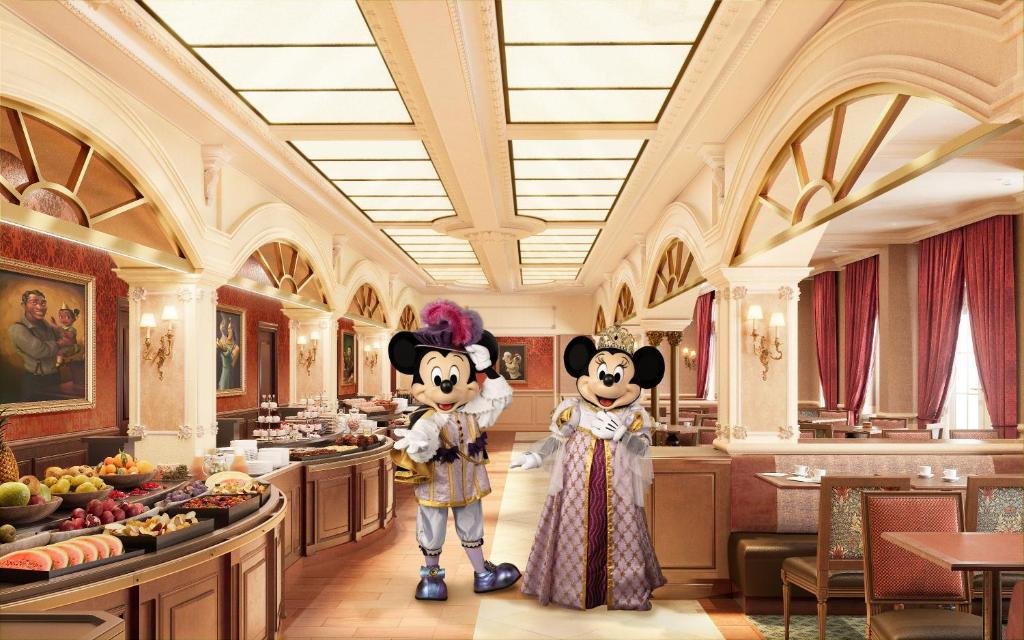
All of the buffet style restaurants within Disneyland Paris will have mickey head potatoes that are similar to croquettes and cold meats and cheeses for children who are picky eaters as well as Tomato Pasta, the cast members and chefs will however do their best to accommodate your needs where available.
Sensory-Friendly Dining Considerations
Some children may be sensitive to loud noises, bright lighting, or crowded spaces in restaurants. When booking or choosing a dining location:
- Opt for quieter restaurants or seating away from busy walkways.
- Request seating in corners or low-traffic areas to reduce sensory triggers.
- Consider bringing comfort items, such as headphones or fidget toys, to help children stay calm during meals.
Accessible Seating
Tables and seating are designed to accommodate wheelchairs or mobility aids, but families with SEN children may also need extra space for equipment, comfort items, or emotional regulation tools. Staff can often adjust seating arrangements to meet these needs when requested in advance
Pre-Booking Assistance
Families are encouraged to contact dining services ahead of their visit to discuss requirements. This ensures that any special dietary, sensory, or accessibility needs are understood and accommodated, allowing mealtimes to run smoothly and reducing the risk of stress or disruption during busy park days.
By planning meals carefully and utilising the park’s SEN-focused supports, families can ensure that dining experiences are calm, safe, and enjoyable, giving children the energy and comfort they need to make the most of their Disneyland Paris adventure.
Online Planning Resources
Before arrival, families can access a variety of tools:
- Park Maps – Highlight accessible routes, quiet zones, and ride entrances.
- Attraction Guides – Include sensory considerations, height and mobility requirements, and waiting times.
- Pre-Booking Services – Dining, Disability Passes, and special experiences can be arranged in advance to reduce on-site stress.
By familiarising yourself with Disneyland Paris’ accessibility and SEN resources, families can structure their visit around support systems, ensuring that children with special needs can engage safely, comfortably, and joyfully with the magic of the parks.
Pre-Trip Preparation for SEN Visitors
A successful Disneyland Paris trip for visitors with SEN starts long before you arrive. The more familiar and prepared you are, the smoother your experience will be. This stage is all about reducing uncertainty and giving yourself tools to manage changes when they happen.
Building Familiarity Before You Go
- Visual Research – Introduce your SEN visitor to the sights, sounds, and atmosphere of Disneyland Paris before your trip. Use photos, park maps, and videos of the parks, hotels, characters, rides, and parades to help them become familiar with what they might see and hear. While Disney often changes show schedules and attractions, having a visual reference can reduce uncertainty, build excitement, and provide a sense of structure. This approach can also help identify any potential sensory challenges in advance, giving you the opportunity to prepare strategies or adaptations before you arrive.
- Create a Visual Schedule – Many SEN visitors benefit from knowing what is happening and when. A simple visual schedule, even if flexible, can give a sense of control and predictability. Include images of the attractions or areas you plan to visit and arrange them in the order you expect to see them. This can be printed or kept on a tablet/phone for quick reference during the day.
- Highlight Key Areas – Use videos or photos to draw attention to places your visitor may particularly enjoy or find comforting. This might be quiet rest areas, specific rides, or shops with favourite characters. Recognising these spots in advance can make the environment feel more familiar and reassuring.
- Practice at Home – If possible, simulate parts of the Disneyland experience at home. For example, watching parade footage with music at a similar volume, or showing ride queues so they can get a sense of the waiting process. This can help build tolerance for certain sensory elements and make the real experience less overwhelming.
- Include Sensory Triggers in Preparation – Along with visuals, introduce any likely sounds or visual effects that might occur, such as fireworks, ride announcements, or character meet-and-greet greetings. Preparing in advance can help reduce surprise and give your visitor coping strategies if they become overwhelmed.
Planning Your Travel
Getting to Disneyland Paris for Guests with SEN Needs
Planning travel for guests with Special Educational Needs (SEN) often requires more than simply booking tickets. The journey itself can be one of the most challenging parts of the trip, especially for those who struggle with changes in routine, sensory overload, or unfamiliar environments. Below is an in-depth look at the main travel options to Disneyland Paris, their pros and cons, and tips to make the experience smoother.

- Train (Eurostar / TGV)
For many SEN travellers, train travel offers more space to move around, fewer security procedures compared to airports, and the ability to bring your own food and comfort items without baggage restrictions. Trains also have toilets on board and allow for easier access to quiet spaces between carriages.
However, it’s important to note that Eurostar no longer runs direct services from London to Marne-la-Vallée (Disneyland Paris). Instead, you must change at Lille Europe, which adds around 30 minutes and includes a change of direction. For SEN guests, this changeover can cause stress or frustration, especially if the station is busy, the train layout changes, or seating arrangements differ. This change should be explained and prepared for well in advance, ideally using photos, videos, or a visual travel plan.
- Plane
Flying is generally the fastest option in terms of travel time, especially for those living far from London. However, it comes with several potential challenges for SEN travellers: long waits, busy terminals, security checks, and the sensory overload of boarding and disembarking. Many airports offer Special Assistance Services, including fast-track security and pre-boarding, which can greatly reduce stress.
Paris has two main airports: Charles de Gaulle (CDG) and Orly (ORY). CDG is closer to Disneyland Paris and is connected by the TGV train (around 10 minutes), shuttle buses, or taxis. Orly is slightly further away but still accessible within an hour. For SEN guests who are sensitive to changes, the transfer from airport to hotel should be booked in advance to avoid long waits, companies like Prestige Transfers can offer SEN friendly options with private transfer comfort, and TV’s that play Disney movies this offers a distraction during the transfer from airport to hotel.
- Driving
Driving offers the highest level of control over the journey. You can set your own schedule, stop when needed, and maintain a familiar environment, crucial for many SEN visitors. The route from the UK typically involves either the Eurotunnel or a ferry crossing. While the overall journey is longer, it removes reliance on other people’s timetables and infrastructure (apart from the channel crossing itself).
The comfort of being in your own vehicle, having your belongings within reach, and being able to control noise and temperature levels can be invaluable for SEN travellers. However, long stretches of driving may cause restlessness or fatigue, so regular stops should be planned.
- Coach
Coach travel can be one of the more budget-friendly options, with companies offering direct services to Disneyland Paris. Coaches can feel cramped, with limited movement space, and journeys can take many hours. There may also be unpredictable delays. For some SEN guests, the predictability of remaining in the same seat for the entire trip may be a positive, while for others, the lack of space and long journey times can be difficult to manage.
| Transport Option | Pros | Cons |
|---|---|---|
| Train (Eurostar/TGV) | Spacious seating, no baggage limits, freedom to move around, toilets onboard, quieter than airports | No direct service to Disneyland; change at Lille may cause stress; busy stations; possible delays |
| Plane | Fast travel time; special assistance available; direct transfers from CDG | Airports can be noisy and busy; security checks; unfamiliar environments; transfers needed after landing |
| Driving | Full control over schedule; familiar environment; flexible stops; no baggage restrictions | Long journey; possible fatigue for driver; ferry/Eurotunnel timings must be met |
| Coach | Budget-friendly; direct routes; no changes once on board | Long travel times; limited movement; cramped seating; limited control over stops |
Breaking Up the Journey
For many visitors with sensory needs, long stretches of uninterrupted travel can become overwhelming. Breaking up the journey into smaller, manageable segments can make the experience far less stressful and far more enjoyable. This approach not only allows for rest and recovery but also gives opportunities to adjust to changes in environment, noise, and routine.
- Planning Rest Stops in Advance
Whether travelling by car, train, or plane, it is crucial to identify suitable rest points along your route before you set off. Look for locations that offer:
- Quiet seating areas away from main crowds
- Accessible toilet facilities (including Changing Places toilets if required)
- Opportunities for food and drink in a calm setting
- Space to stretch and move around
- Areas where sensory-sensitive travellers can take a short break from stimulation
If driving, service stations on motorways vary greatly in terms of sensory-friendliness. Some may have play areas or loud music playing in restaurants, while others have more peaceful zones. Research ahead of time and keep a list of your preferred stops.
- Using Overnight Stops for Longer Journeys
For trips where travel exceeds a comfortable daily limit, consider booking an overnight stay halfway through. This is particularly useful if driving from the UK to Disneyland Paris, as you could stop in a smaller French town before reaching the busy resort environment. An overnight rest allows the body and mind to recharge, reducing stress and avoiding a rushed arrival. - Factoring in Transition Time
Each time you change transport (e.g., switching from Eurostar to a TGV at Lille), include enough buffer time in your schedule to adjust. Rushed changes increase anxiety, particularly if unexpected noises, crowds, or unfamiliar environments are involved. Having a relaxed transfer window means there’s time to find seating, visit toilets, and regroup. - Alternative Sightseeing Breaks
Breaking up a journey doesn’t have to be limited to rest stops. You might choose to add a short sightseeing activity along the way. This can give a positive distraction and something to look forward to during travel, making the process less about “getting there” and more about enjoying the trip.
Comfort Items for the Journey
When travelling with sensory needs, comfort items are essential to create a sense of security and familiarity in changing environments.
- Sensory Soothing Tools
- Noise-cancelling headphones to block out sudden or sustained loud noises
- Ear defenders for younger children or those who prefer a lighter, less intrusive option
- Weighted blankets or lap pads to help with calming and grounding during long travel periods
- Fidget toys or stress balls to aid focus and relieve anxiety
- Familiar Smells and Textures
- A small scented item such as a lavender pouch or favourite fabric softener-scented scarf can help anchor emotions
- Soft, familiar blankets or cushions to make unfamiliar seating more comfortable
- Food and Drink
- Pack preferred snacks that are familiar and safe (especially important for those with dietary restrictions or food-related sensory sensitivities)
- Have a supply of drinks to avoid relying on unfamiliar brands or busy café queues
- Please not that France has restriction on bringing certain foods into the country such as fresh meat and dairy products, more information on this can be found here – Food Restrictions Information
- Entertainment and Distraction
- Downloaded films, music playlists, audiobooks, or games that are familiar
- Printed activities such as colouring books, puzzle sheets, or sticker packs
- A small “surprise” activity bag to be revealed mid-journey can be a great distraction tool
- Familiar scent (e.g., small pillowcase or comforter from home)
Things to Consider Before Choosing a Transport Option
When deciding the best method of travel, it’s important to weigh up the practical, sensory, and emotional implications for your group.
- Familiarity vs. Novelty – Will this transport type be comfortable because it’s known, or exciting because it’s new? Or could unfamiliarity cause anxiety?
- Control vs. Dependency – Are you more comfortable when you control your own schedule, or are you happy to rely on timetables and others’ infrastructure?
- Sensory Triggers – Which environments are most likely to cause sensory overload for your party (crowds, noises, smells, temperature changes)?
- Time vs. Stress Trade-off – Is a faster method worth the sensory challenges it might bring, or is a slower, calmer option better suited?
- Budget and Flexibility – Can you afford to allow for extra time, overnight stops, or premium seating for a calmer environment?
Arrival and Check-In
The first moments of your Disneyland Paris trip are crucial, especially for children with Special Educational Needs (SEN). A calm, organised arrival helps reduce stress, avoid sensory overload, and set the tone for a positive experience.

- Timing Your Arrival
Choosing the right time to arrive can make a significant difference:
- Early Arrival – Arriving before the majority of guests can help avoid large crowds, busy reception areas, and long queues at attractions. It also provides an opportunity for a gentle introduction to the environment. Consider having a short, quiet activity planned before heading to the parks.
- Later Arrival – For children who may struggle with early mornings or transitions, arriving in the afternoon or early evening can reduce overstimulation, as crowds often thin out later in the day.
- Travel Fatigue Considerations – If the journey to Disneyland Paris is long, incorporate a rest period upon arrival. Even 30–60 minutes in a quiet hotel room or lounge can help children recover before engaging with the busy park environment.
- Priority Hotel Check-In
Many hotels within the resort offer priority or assisted check-in for guests with additional needs:
- Request in Advance – Contact the hotel directly when booking, providing any relevant documentation about SEN requirements. This allows staff to prepare a calm, personalised check-in experience.
- Reduced Waiting Time – Priority check-in can help bypass crowded lobbies and queues, offering a quieter, more structured process.
- Special Assistance Staff – Hotel staff can provide extra support for luggage, room orientation, and any specific sensory requirements.
- Collecting Your Priority Card / Easy Access Card
Disneyland Paris provides cards to help guests with SEN access attractions comfortably:
- Priority Card (Disability Access Card) – For guests with documented disabilities.
- Easy Access Card – For temporary conditions or invisible disabilities that still require assistance.
- Collection Points – City Hall in Disneyland Park or Studio Services in Walt Disney Studios Park or at customer assistance within your Disneyland hotel.
- Required Documentation – Bring a disability certificate, medical note, or official letter, plus a valid photo ID.
- Avoid Stressful Queues – Collect your card before heading to rides to prevent waiting in overwhelming queues.
- First Impressions and Calming Strategies
Creating a calm and structured first experience is key:
- Low-Sensory Activities – Explore quieter areas, hotel gardens, or less busy shops.
- Comfort Items – Keep noise-cancelling headphones, fidget toys, or a favourite snack accessible.
- Gradual Exposure – Introduce the child to the sights and sounds of the park slowly, for example, starting with a gentle stroll or a calm character meet-and-greet.
- Visual Schedules – Show a simple plan for the first hour or two to set expectations and reduce anxiety.
- Extra Considerations
- Parking and Transfers – If driving, request accessible parking close to hotel entrances. If using shuttles, plan for quieter times or bring comfort items for the ride.
- Orientation – Once checked in, take a short walk around the hotel to familiarise the child with key locations such as restrooms, elevators, and dining areas.
- Emergency Preparation – Identify quiet areas and exits so the family knows where to retreat if the child becomes overwhelmed.
By taking these steps, families can ensure that arrival and check-in are smooth, calm, and predictable, giving children the confidence and comfort they need to enjoy the magical start of their Disneyland Paris visit.
Navigating the Parks with SEN Needs
Disneyland Paris is full of sights, sounds, and excitement, which can be magical, but also overwhelming for guests with Special Educational Needs. By combining preparation with in-the-moment strategies, families can create a safe, enjoyable, and flexible park experience.
- Understanding the Layout Before You Go
- Study the Map in Advance – Use the official Disneyland Paris app or website to familiarise your family with key areas: ride locations, restaurants, toilets, and exits.
- Spot the Quiet Zones – Highlight areas such as Liberty Arcade, Adventure Isle caves, or the side paths in Frontierland where you can retreat from crowds.
- Plan Short Walking Loops – Instead of criss-crossing the park, explore one land at a time to reduce backtracking and overstimulation.
- Using Accessibility Passes Effectively
- Know the Entrances – Priority and Easy Access Passes often use separate entrances; these may be at different locations from the main queue.
- Prepare for Possible Waiting – Even with these passes, some rides have short waits during peak times; have a “waiting kit” ready (small games, fidget toys, or a favourite snack).
- Check Ride Suitability – Cast Members can advise if an attraction may have intense lighting, loud noises, or sudden drops.
- Managing Sensory Triggers in the Parks
- Noise – Use ear defenders or noise-cancelling headphones for parades, fireworks, or loud rides like Hyperspace Mountain.
- Light – Sunglasses, hats, or visors help with bright sunlight and flashing effects.
- Crowds – Avoid pinch points like Main Street U.S.A. just before parades by watching from less crowded spots, or explore quieter attractions at those times.
- Structuring Your Day
- Start with Familiar or Gentle Experiences – Begin with attractions that are calm and easy to enjoy, such as “It’s a Small World” or “Le Pays des Contes de Fées.”
- Mix High and Low Stimulation – Balance busy, high-energy rides with quiet activities like boat rides or shows.
- Build in Regular Breaks – Stop every couple of hours for a snack, drink, or time in a shaded, low-traffic area.

- Eating in the Parks
- Pre-Identify Restaurants – Choose places with indoor seating and quieter corners.
- Avoid Peak Mealtimes – Eating earlier or later than standard lunch and dinner times reduces noise and queue length.
- Mobile Ordering – If available, this can minimise queue time at quick-service locations.
- Emergency Reset Strategies
- Create a Calm-Down Plan – Agree on a “safe spot” to go to if things get too overwhelming.
- Distraction Techniques – Have ready activities like watching the ducks by the castle moat, browsing a shop, or sharing a favourite snack.
- Exit Strategy – Know where the nearest park exit is from your location in case you need to leave quickly.
✅ Pro Tip: A successful SEN-friendly park day isn’t about seeing everything, it’s about enjoying the moments that work for your family. If that means skipping the big rides and spending more time in low-sensory areas, that’s still a win.
Quiet & Low-Sensory Spaces in Disneyland Paris
For children with Special Educational Needs, knowing where to retreat when crowds, noise, or visual stimulation becomes overwhelming can make the difference between a stressful day and a magical one. These spaces allow families to take a break, regroup, and re-enter the park experience with confidence.

- Disneyland Park Quiet Spots
- Liberty Arcade & Discovery Arcade – Indoor corridors near Main Street U.S.A. offer calm, shaded areas away from the hustle and bustle. Perfect for a short sensory reset.
- Adventure Isle Side Paths – Hidden corners around bridges and caves provide shaded, low-traffic spots to sit and decompress.
- Castle Gardens & Moat Areas – Areas around Sleeping Beauty Castle with benches and green space offer a calmer environment for small breaks.
- Fantasyland Benches – Quiet seating is available near the edge of the land, ideal for waiting while watching children adjust to rides or attractions.
- Walt Disney Studios Park Quiet Spots
- Front Lot Courtyard – Open space near the entrance with limited foot traffic early in the day.
- Backlot & Production Courtyard Corners – Less busy paths with benches where children can decompress.
- Animation Courtyard – Indoor areas with shaded seating and cooler temperatures, often less crowded.
- Dining Areas as Calming Spots
- Indoor Restaurants – Many table-service and quick-service restaurants offer quieter corners for a brief respite.
- Outdoor Seating with Shade – Shaded patio areas allow children to have a snack, drink, or just rest while watching the park without being in the crowd.
- Restroom & Changing Facilities
- Accessible Toilets – Often quieter than standard toilets; ideal for short breaks.
- Changing Places Toilets – Larger, private spaces provide room for children who need more personal space or equipment.
- Using the App to Locate Quiet Areas
- The Disneyland Paris app can be used to identify ride entrances, less-crowded areas, and facilities.
- Parents can mark preferred calm zones and plan the day around regular resets.
- Practical Tips for Using Quiet Spaces
- Schedule Regular Breaks – Plan to stop every 1–2 hours rather than waiting until your child is overwhelmed.
- Bring Comfort Items – Noise-cancelling headphones, fidget toys, or a small sensory pack can make these breaks more effective.
- Observe & Adjust – Not every child reacts the same way; pay attention to cues and adapt your route as needed.
- Combine with Snacks or Drinks – Eating or drinking in a calm environment can reinforce the positive association with quiet areas.
✅ Pro Tip: Map out 4–5 preferred quiet spots in each park before you arrive. Having multiple fallback areas ensures flexibility, reduces stress, and helps maintain a positive experience even during busy periods or unexpected changes.
Managing Sensory Overload and Meltdowns
Even with careful planning, children with Special Educational Needs (SEN) can experience moments of overwhelm during a busy Disneyland Paris visit. Being prepared with strategies to recognise, prevent, and respond to sensory overload ensures that the day remains enjoyable for the whole family.
- Recognising Early Signs of Sensory Overload
Children may show subtle or obvious signals that they are becoming overstimulated. Early recognition allows families to intervene before frustration escalates:
- Behavioral Signs – Increased irritability, fidgeting, pacing, or withdrawal.
- Verbal Cues – Complaints of noise, discomfort, or expressing that “it’s too much.”
- Physical Signals – Covering ears, shielding eyes, or repetitive movements.
- Energy Changes – Sudden bursts of energy, hyperactivity, or fatigue.
Monitoring these cues throughout the day enables proactive support rather than reactive responses.
- De-escalation and Calming Techniques
When a child shows signs of overload, having a structured approach helps reduce stress quickly:
- Immediate Calm Environment – Move to a quiet space, shaded area, or indoor facility.
- Comfort Items – Noise-cancelling headphones, fidget toys, weighted blankets, or a familiar object can help regulate sensory input.
- Controlled Breathing or Movement – Encourage slow breathing, gentle walking, or rocking to self-soothe.
- Verbal Reassurance – Calm, clear, and simple language helps children understand they are safe.
- Using Park Resources
Disneyland Paris provides facilities and staff support that can help families manage overload:
- Quiet Zones – Areas mapped in the previous section offer refuge from crowds and noise.
- Accessible Attractions – Some rides have separate entrances or calm waiting areas for children prone to overstimulation.
- Cast Member Assistance – Staff are trained to help guests with additional needs; do not hesitate to ask for guidance or temporary respite options.
- Planning for Meltdowns
Even with preparation, meltdowns may occur. Having a plan in place ensures everyone can respond calmly:
- Know Your Escape Routes – Identify nearby exits, quiet zones, or indoor attractions for quick access.
- Distraction Options – Small games, character interactions, or a sensory kit can redirect focus.
- Flexible Schedule – Accept that some planned rides or shows may need to be skipped; adjust the itinerary without pressure.
- Debrief Afterwards – After recovery, talk through the experience in a calm environment to reinforce coping strategies.
- Preventive Strategies
- Breaks and Hydration – Schedule regular pauses for snacks, drinks, and bathroom visits.
- Balanced Stimulation – Alternate high-energy rides with quieter attractions.
- Visual Schedules – Show the child what is coming next to reduce anxiety from unexpected changes.
- Sensory Kits – Include ear defenders, sunglasses, fidget toys, and snacks in a small backpack for easy access.
✅ Pro Tip: Meltdowns are not failures — they are a natural response to overwhelming stimuli. By recognising triggers, planning breaks, and having calming strategies ready, families can maintain a sense of control, making the Disneyland Paris visit more positive and memorable for everyone.
Evening Strategies and Fireworks
The evenings at Disneyland Paris can be just as magical as the daytime, but for children with SEN, they can also present unique challenges. From the bright lights and booming sounds of fireworks to the bustling crowds gathering for nighttime entertainment, planning ahead can make the difference between ending the day on a high note or feeling overwhelmed.
- Understanding the Evening Atmosphere
As the sun sets, the parks become more visually stimulating. Lighting effects, parades, music, and crowd energy all build towards the nighttime spectacular, Disney Dreams!. While magical, this can increase sensory load, especially after a long day.
- Expect higher crowd levels in central areas such as Main Street U.S.A. and Central Plaza.
- Audio levels from shows and fireworks are significantly louder than in the day.
- Choosing Whether to Stay or Skip
Not every child will enjoy the fireworks and evening shows, and that’s okay. Consider:
- Ending your day earlier to avoid the busiest time.
- Watching a smaller-scale evening performance instead of the fireworks.
- Returning to your hotel to enjoy quieter activities or swimming.
- Securing a Comfortable Viewing Spot
If you decide to stay, choose a location that works best for your child’s needs.
- Arrive earlier to find a spot slightly away from the densest crowd, such as near the entrances to Main Street shops.
- Stand at the end of a pathway for easier exits if needed.
- Consider balcony areas or upper-level viewpoints in nearby restaurants for a less intense experience.
- Managing Sound Sensitivity
Fireworks can be startling for children with auditory sensitivities.
- Bring comfortable ear defenders or noise-reducing headphones.
- Use familiar music or white noise on a device to help mask sudden loud bangs.
- Prepare your child in advance by showing videos of the show at a lower volume.
- Allowing for Breaks and Calm-Down Time
Even if you stay for the fireworks, your child may need moments of calm beforehand.
- Spend the hour before the show in a quiet location such as Alice’s Curious Labyrinth area or a quieter corner of Frontierland.
- Pack a calming activity, fidget toy, or comfort item for waiting times.
- Planning Your Exit
Crowds can be heaviest immediately after the fireworks.
- Consider leaving slightly before the finale to avoid the rush.
- If staying, wait 15–20 minutes after the show to let the crowds disperse before heading out.
- Use the Priority Card or Easy Access Card to navigate busier areas if mobility is a factor.
Tip: Sometimes the most magical evening moments happen outside the main shows — an almost-empty carousel ride, a gentle stroll through the park under the lights, or sharing a snack together without rushing.
Post-Visit Recovery and Reflection
A Disneyland Paris trip can be magical, but for children with SEN needs, the days following the visit can be just as important as the trip itself. After so much stimulation, excitement, and change in routine, both children and adults may need time to recover physically, mentally, and emotionally.
- Allow Time to Decompress
Avoid jumping straight back into school, work, or other high-demand activities immediately after returning home. Give your child (and yourself) at least a day or two to rest, sleep in, and enjoy calm, familiar surroundings. This quiet time can help regulate emotions and prevent extended sensory overwhelm.
- Re-establish Routines Gradually
Children with SEN needs often feel secure when their daily routines are predictable. Try to reintroduce regular mealtimes, bedtimes, and daily activities slowly rather than enforcing everything at once. This soft transition helps reduce post-trip anxiety.
- Reflect on the Experience Together
Encourage your child to share their favourite moments, rides, and meals. You could use photos, drawings, or even small souvenirs to prompt discussion. For some children, expressing what they didn’t enjoy or found overwhelming can also be important in helping them process the trip.
- Create a Memory Book or Journal
Putting together a scrapbook, photo album, or simple memory journal can help your child relive positive moments and process challenging ones. This activity can be calming, and it creates a tangible keepsake they can revisit in the future.
- Monitor for Delayed Reactions
Sometimes sensory overload doesn’t show up fully until after the trip is over. Watch for signs of fatigue, irritability, or anxiety that may appear a few days later. If necessary, reduce demands and provide extra downtime until things return to normal.
- Learn from the Trip for Future Planning
Make notes for yourself about what strategies worked well, what could be improved, and any resources or tools you wished you had. This reflection will make your next visit smoother and even more enjoyable.
Final Thoughts
Visiting Disneyland Paris with a child who has Special Educational Needs can feel like a huge undertaking, but with the right preparation, strategies, and mindset, it can also be one of the most rewarding experiences your family will ever share. Every child’s needs are different, and there’s no single “perfect” way to enjoy the parks. What matters most is creating a trip that works for your child, their comfort levels, and your family’s pace.
Remember, it’s not about ticking off every ride or attraction. It’s about those moments of pure joy, whether that’s meeting a favourite character, sharing a laugh on a gentle ride, or simply enjoying a quiet snack together away from the crowds.
If you’ve used a SEN-Friendly Itinerary Planner, keep it as a memento of your trip. You might also note what worked well and what you’d change next time, so each future visit becomes even smoother.
Finally, be kind to yourself. You are doing something incredible, giving your child the opportunity to experience the magic of Disney in a way that’s right for them. That in itself is an achievement worth celebrating.
We wish you a magical trip filled with smiles, laughter, and unforgettable memories.

Join The Discussion